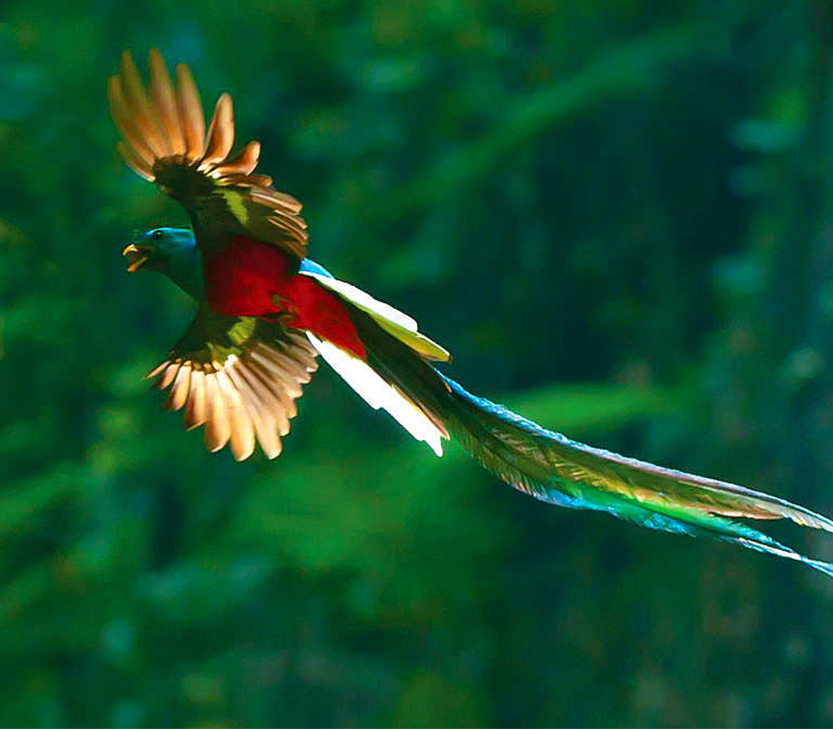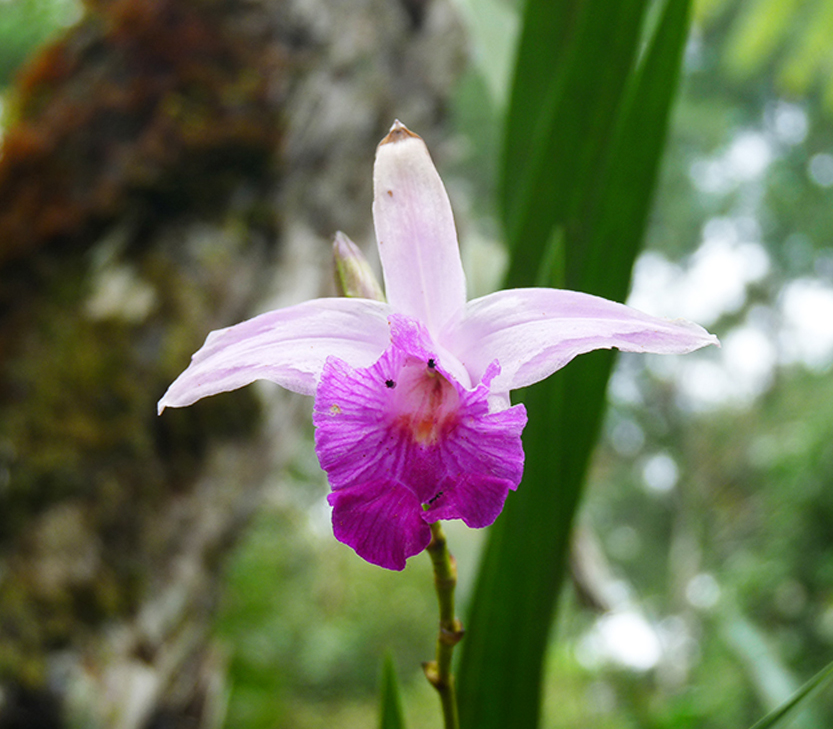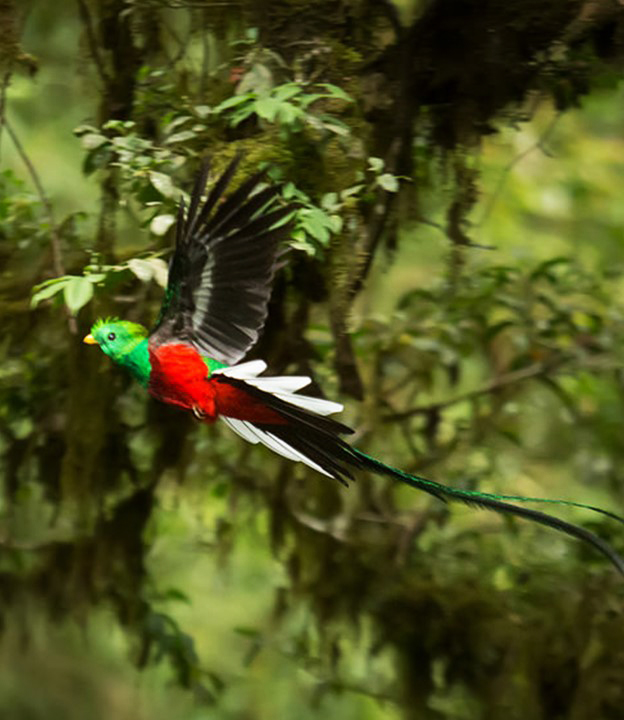
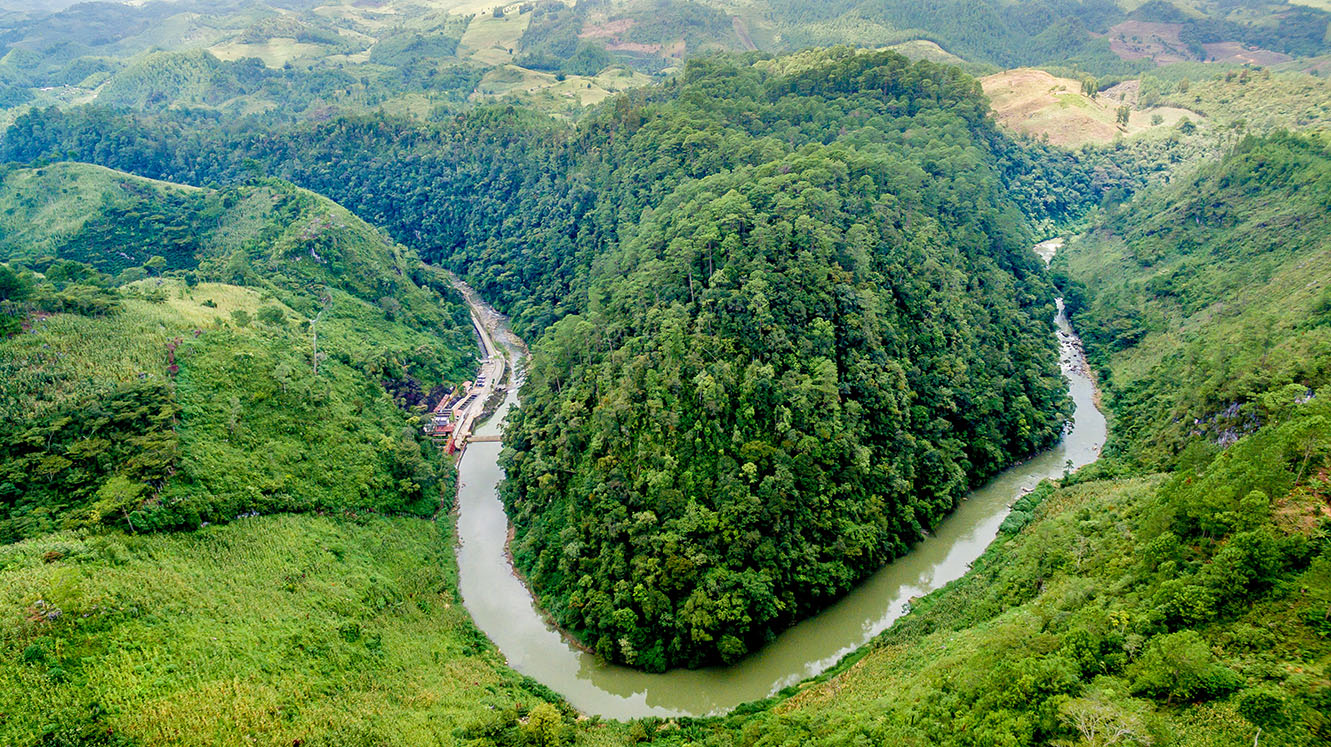
The Quetzals Pharomachrus mocinno mocinno de la Llave are considered one of the most beautiful birds on Earth (refs.) due to their plumage and flight. Since ancient times, they represented a cultural symbol; their feathers were used in ornaments of Mayan and Aztec kings and were called in Nahuatl “Quetzalcoatl,” which means serpent bird. The Quetzal is the national bird of Guatemala and is the patriotic symbol most identified by all Guatemalans. Their distribution is in montane forests with cloud forest presence from Chiapas, Mexico to western Panama. This study aimed to determine the feasibility of managing Quetzal populations in the forest remnants of the Cahabón River within the Renace I and Renace II Hydroelectric Plants.
To determine feasibility, Ecological Niche models were made using the Maximum Entropy algorithm (MAXENT) (Phillips, Anderson, & Schapire, 2006). This algorithm determined whether abiotic conditions exist in the upper forest remnant of Renace I, then assessed if there are food plants within it; 17 species of food plants were found. Therefore, it is concluded that adequate conditions exist at this site. Quetzals can move distances of up to 60 km (Paiz, 1996). Currently, there are no Quetzals in this remnant forest due to strong isolation. Although Quetzals can travel long distances to disturbed areas, they do so only if food is available and in small sections. Finally, it is recommended to establish a biological corridor involving key social actors to promote environmental, social, and economic development of the region.
Renace has a pyramidal strategy specifically designed for the protection, conservation, and restoration of the environment in Alta Verapaz. The strategy considers Legal Compliance, Implementation of Best Practices, and Environmental Impact.

The Energy Unit has a pyramidal strategy specifically designed for the protection and conservation of the environment in Alta Verapaz. The strategy considers Legal Compliance, Implementation of Best Practices, and Environmental Impact.


At Renace, we operate under a pollution prevention approach through control and monitoring of our operations to
reduce and/or eliminate environmental impacts.
Additionally, we work on the conservation and restoration
of biodiversity in our area of influence.


We aim to generate sustainable benefits so that communities are positively
impacted by participating in biodiversity restoration.
The main environmental programs we are
promoting in the San Pedro Carchá area are:
- National Strategy for the Conservation of the
Quetzal
- Community Tourism Program
- Payments for Environmental Services Programs for
Communities (PINPEP)
- Carbon Credit Sales Program.

At Renace, we are committed to the environment, going beyond the applicable
legal requirements. To achieve our conservation goals, we have implemented several programs, including:
Reforestation Program, Environmental Education Program, and Cleaning and Beautification Program, among other
activities.
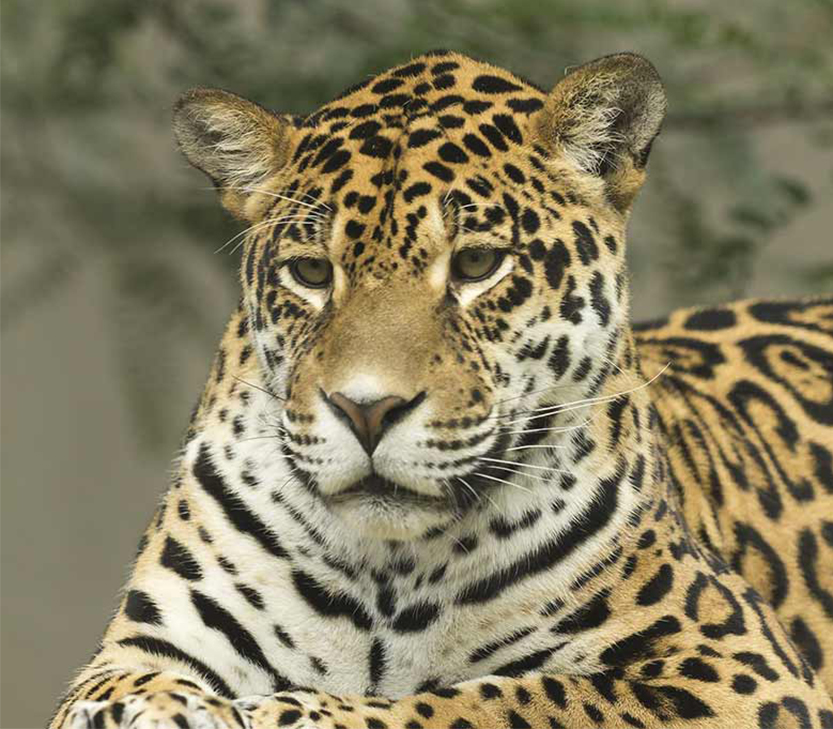
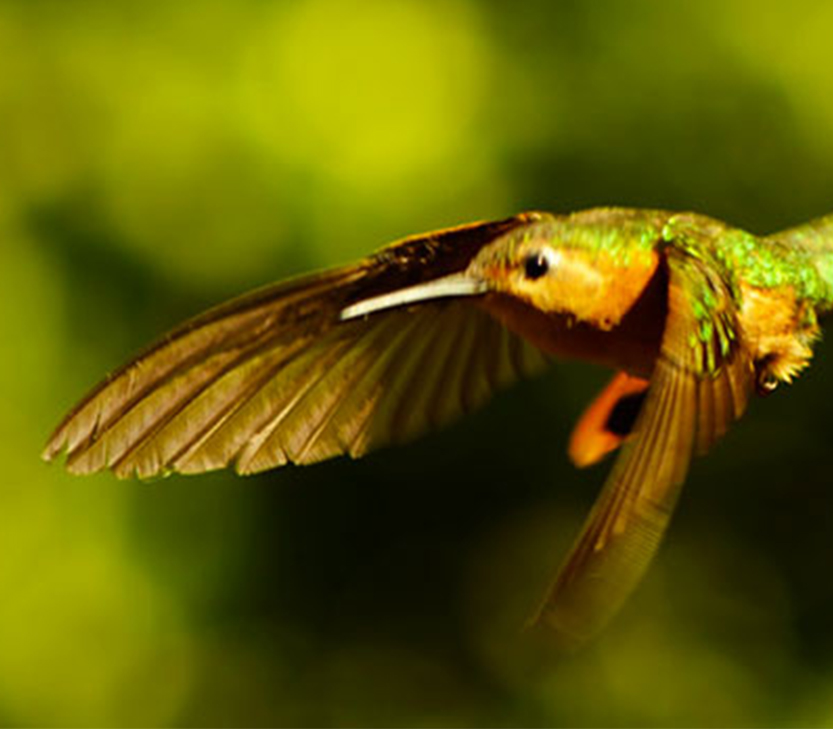
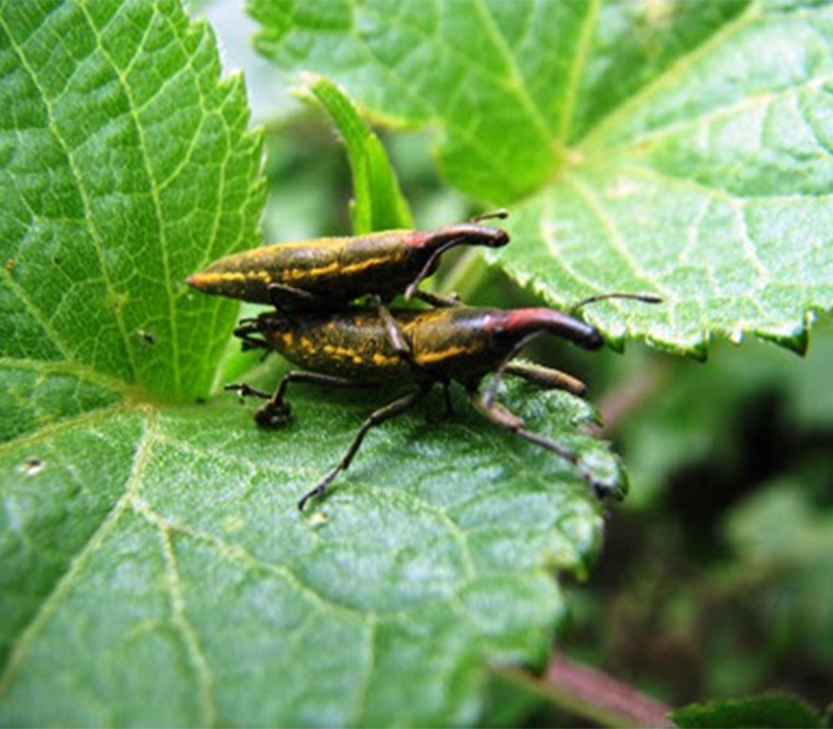
As part of implementing best practices, at the Renace Hydroelectric Complex we conduct
faunistic and floristic monitoring of the species found around Renace I and II.
Discover the
species found:
Renace is committed to respecting applicable National Regulations, which includes complying with mitigation measures proposed in the environmental impact study, the requirements of its approval resolution, and other current legislation. To ensure the effectiveness of the strategy, we have an air, noise, and water quality monitoring program.
In the Environmental Impact Axis, we implement projects focused on climate change adaptation
actions. These projects contribute to the recovery and conservation of the environment, as well as
the improvement of agricultural practices in communities within the area of influence.
The main programs are:
- National Quetzal Conservation Strategy
- Agricultural Excellence.
o Strengthening crops: corn, beans, coffee,
cacao, and cardamom.
o Establishment of Family Gardens
o Permaculture
o Crop diversification
- Reforestation in the watershed.
- Philanthropic Tourism.
At Renace, we are committed to the environment, going beyond the applicable legal obligations. To
achieve our conservation objectives, we have implemented various programs, including: Reforestation
Program, Environmental Education Program, Cleaning and Beautification Program, among other
activities.
As part of the implementation of best practices, at the Renace Hydroelectric Complex we conduct
faunal and floral monitoring of the species found in the surroundings of all projects.
Discover the species found:
Renace is committed to respecting applicable National Regulations, which includes complying with the mitigation measures proposed in the environmental impact study, the requirements of its approved resolution, and other current legislation. To ensure the effectiveness of the strategy, we have an air, noise, and water quality monitoring program.
Renace Complex I and II
As part of best practices, the Renace Hydroelectric Complex conducts faunistic and floristic monitoring of the species that can be found around its Renace I and Renace II plants.
Read More