DO YOU WANT TO WORK
WITH US?
Join our team, send your résumé to reclutamiento@dencmi.com
SEND MESSAGE

Contribute to improving the living conditions of families in the area of influence, preparing them to take charge of their own future.
All our Community Engagement actions are aimed at building a relationship of trust with the 33 communities in our area of influence. We are supporting and benefiting more than 35,000 people through our Sustainable Social Development Programs.
READ MORE

For Renace’s growth, we rely on the acceptance of the communities in our area of influence.
To understand how we obtained the social license, you can think of a bench with three solid bases; each hydroelectric plant rests on three points of support:

Achieving development is a long-term task that requires adaptability over time and conditions, along with the involvement of all stakeholders. At Renace, we have the vision of breaking cycles of poverty to help build cycles of development.
Learn more about our programs:

They provide communities with basic infrastructure that supports the objectives of our Sustainable Development Programs.
They focus mainly on covering basic services such as:
• Roads
• Community halls
• Schools
• School kitchens
• Water supply projects
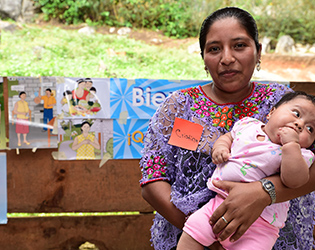
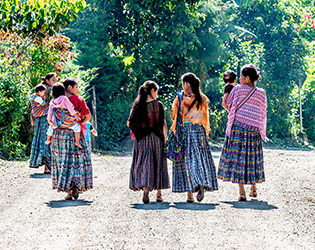

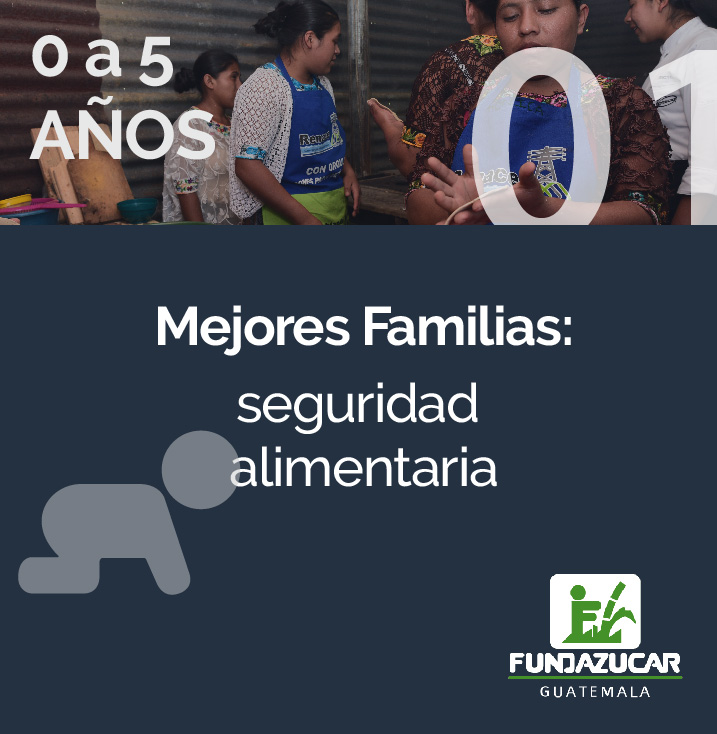
(0 to 5 years)
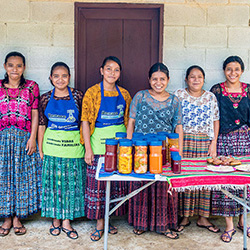
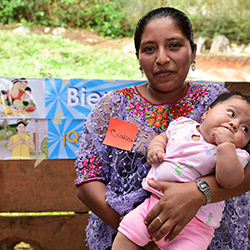
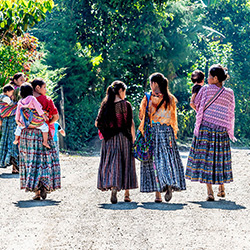
Trains women on health and nutrition topics to ensure food security for children.
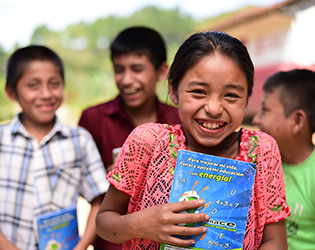
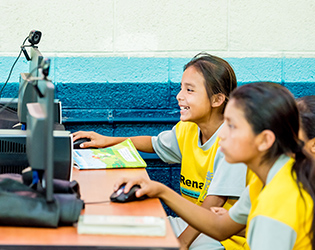
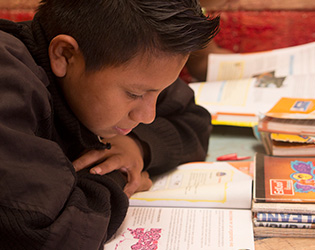
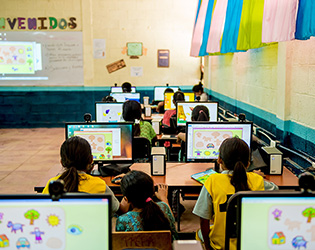

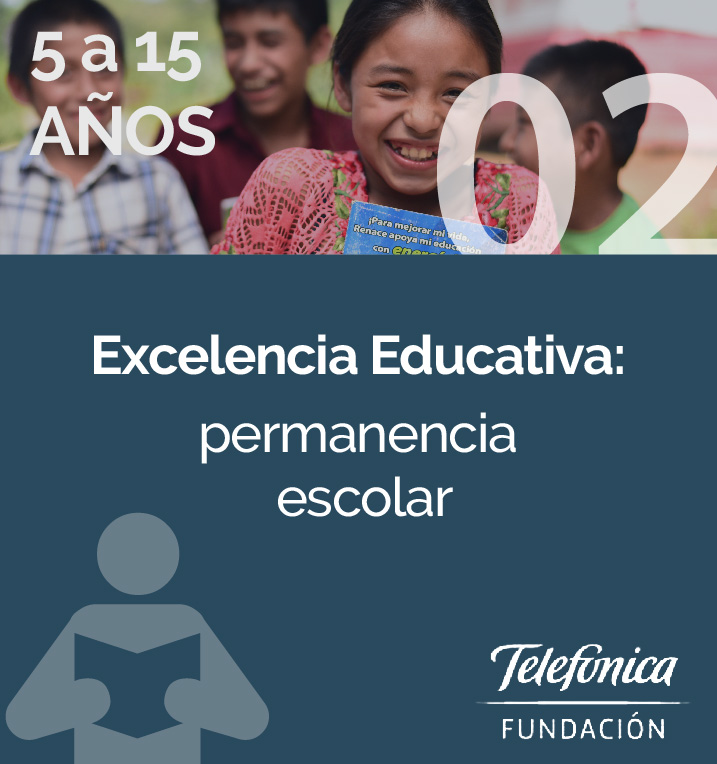
(5 to 15 years)
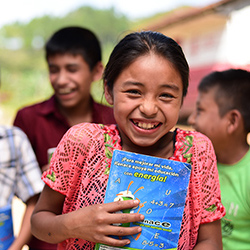
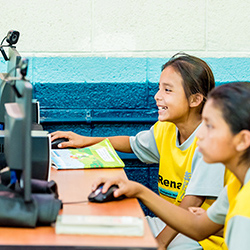
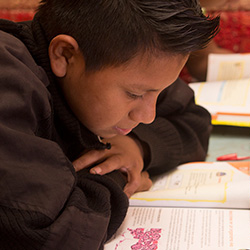
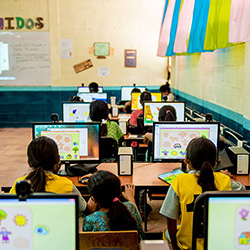
Seeks to improve access to and continuity in schooling. We support infrastructure, materials, and training for teachers and students.
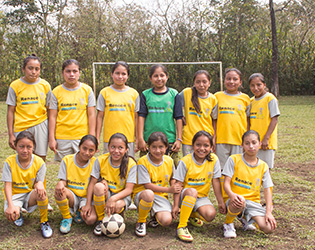
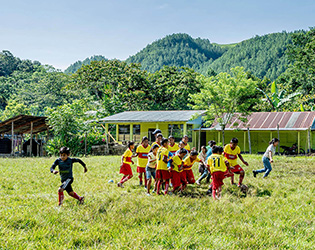
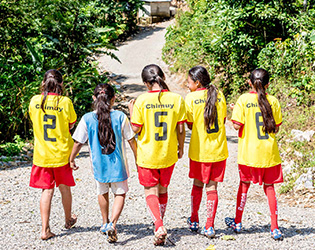

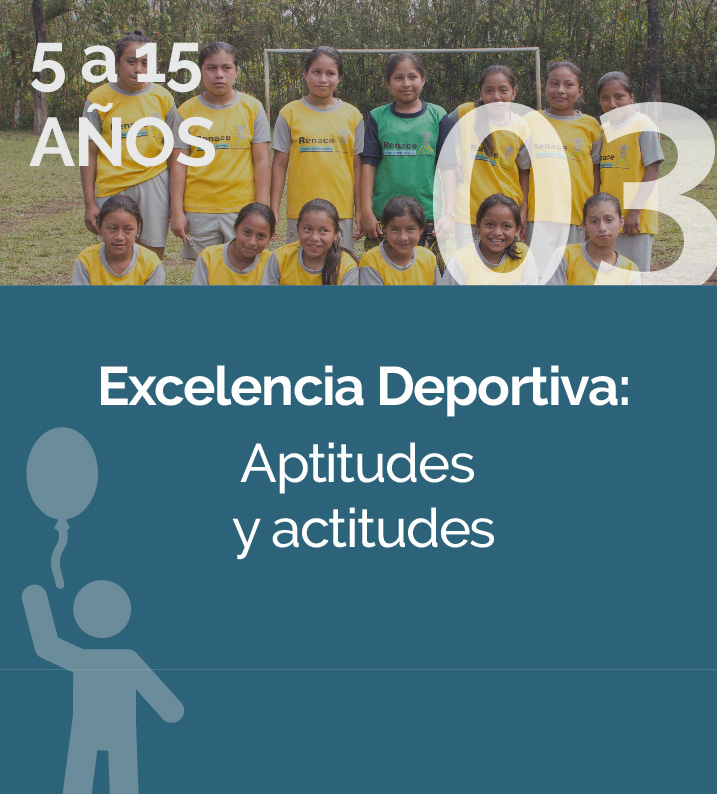
(5–15 years)
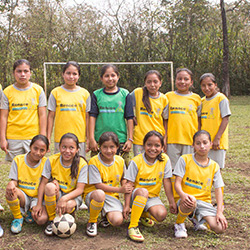
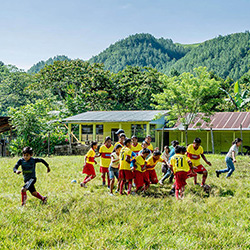
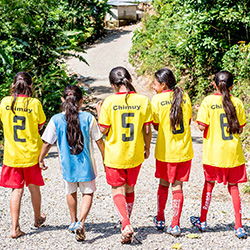
Promotes children's right to recreation, using sports to help develop values.
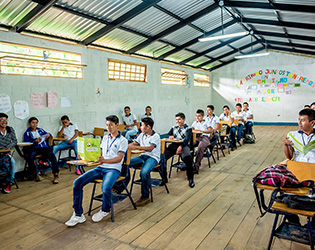
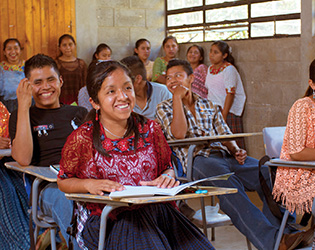
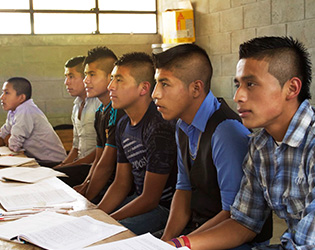
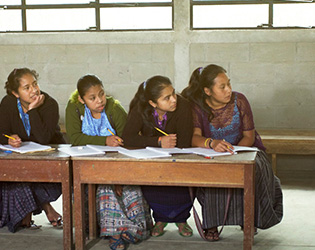
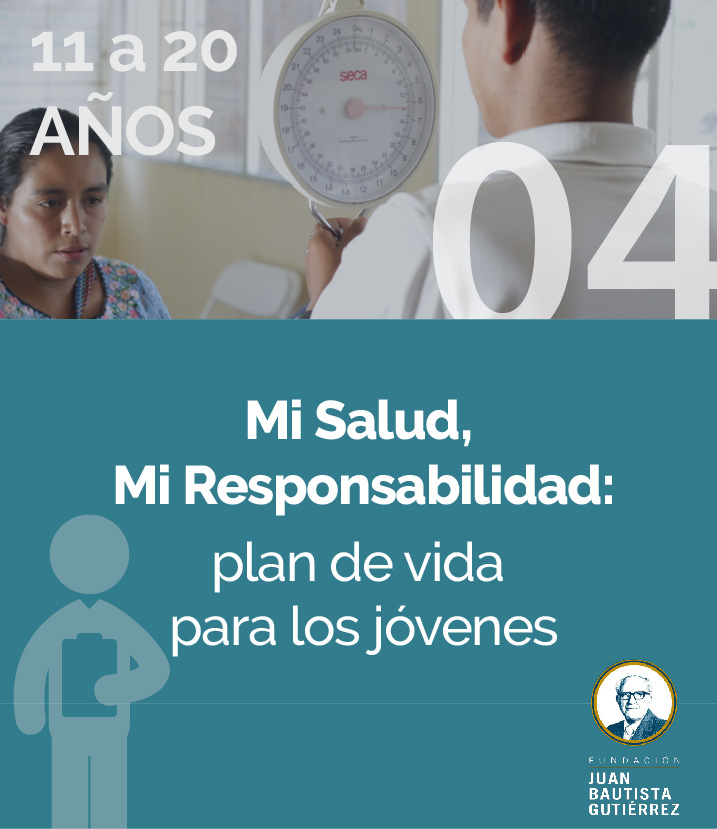
(11–22 years)
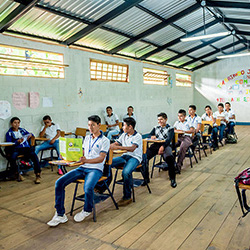
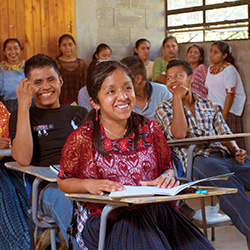
Seeks to help young people develop life plans to reduce teenage pregnancies and maternal and child deaths.
We have developed and integrated seven programs that are chronologically linked to support people's growth and development.
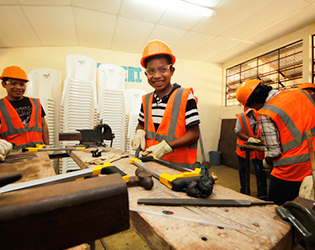
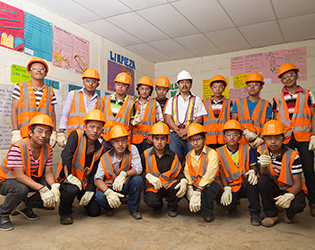
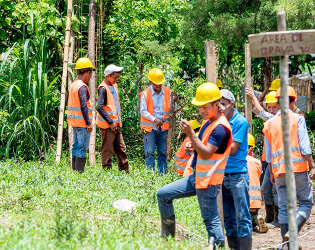

(Adolescents and adults)
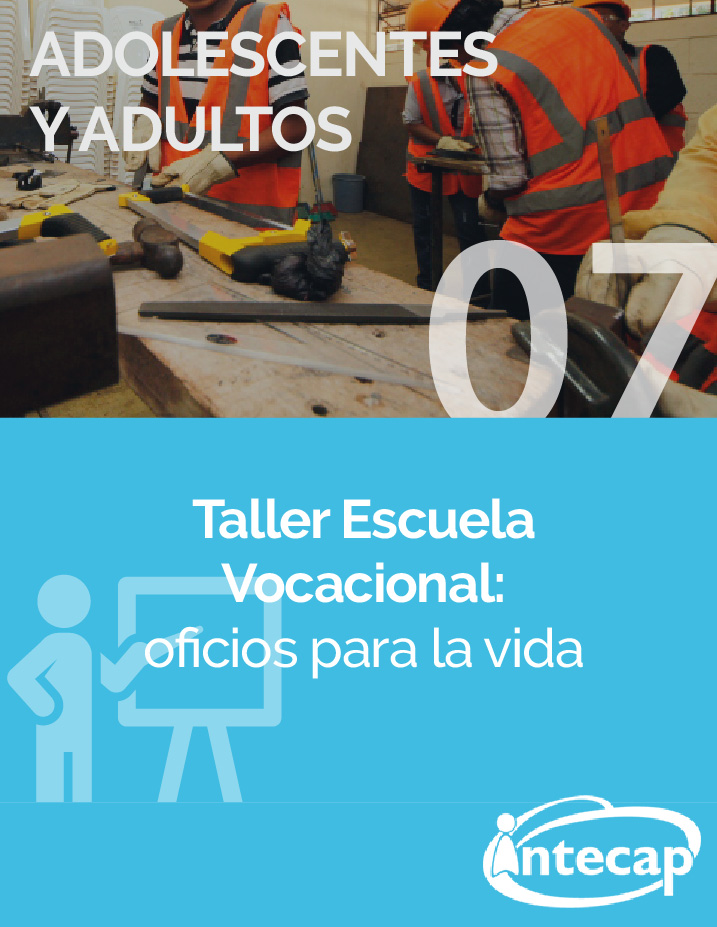
We aim to improve and diversify technical skills to increase the chances of obtaining employment and developing financial competencies.

(Teenagers and adults)
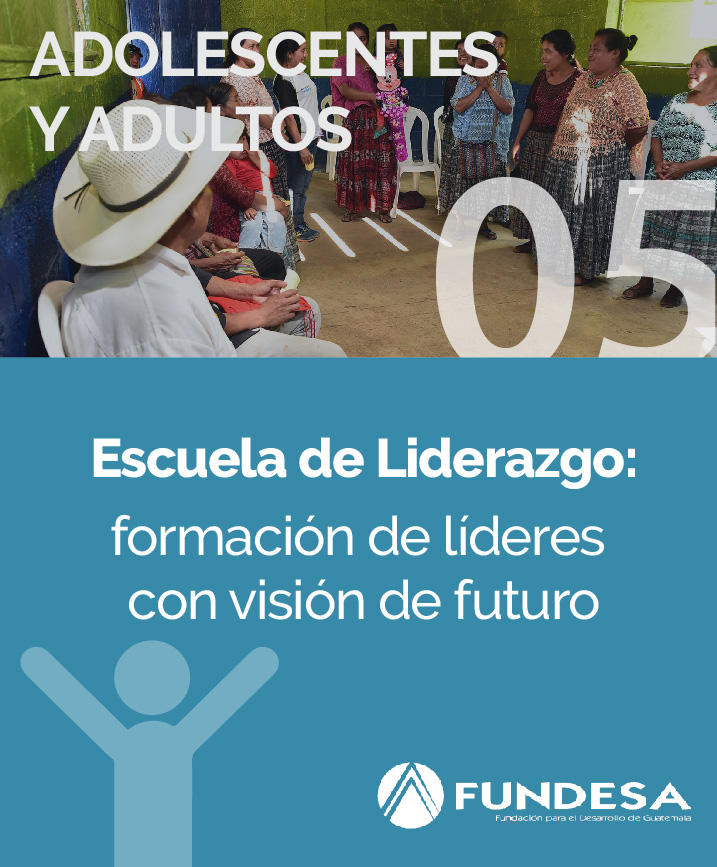
We promote local leadership through the comprehensive training of leaders,
respecting the Q’eqchi’ worldview.

(Teenagers and adults)
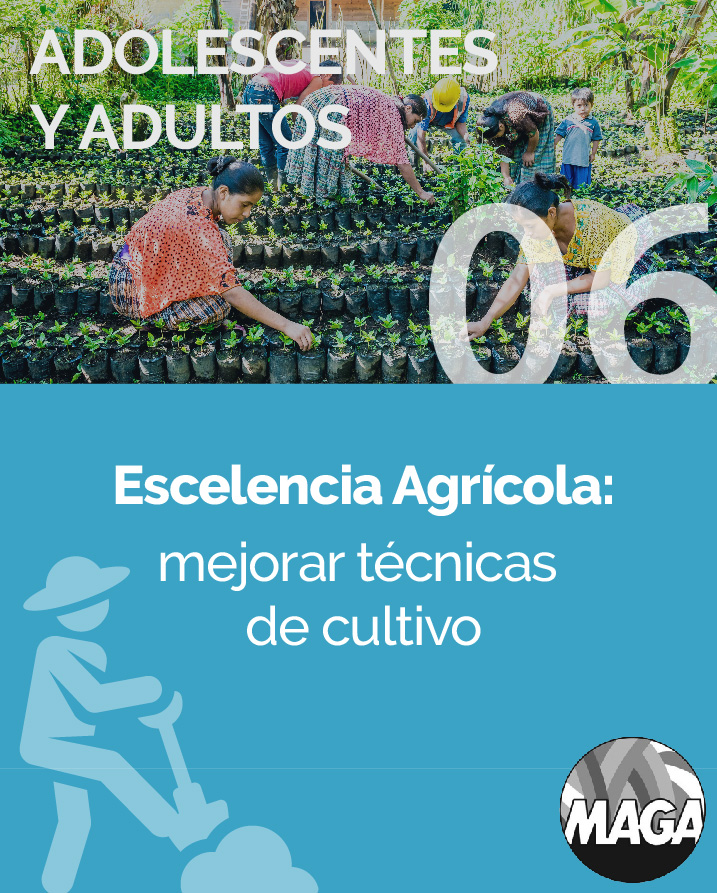
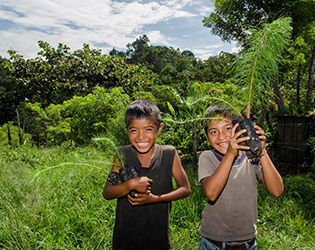
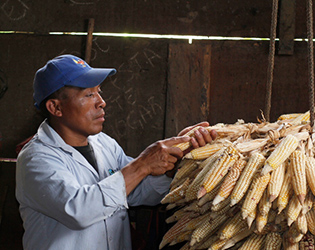
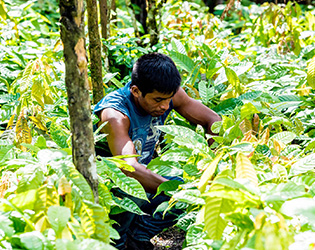
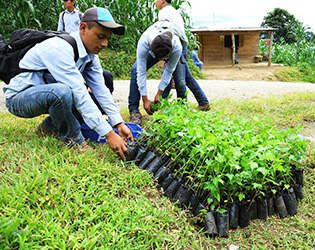
Enables the transfer of soil, planting, and irrigation techniques to improve agriculture in the communities of the area.
(0 to 5 years)
Trains women in health and nutrition to ensure food security for young children.
(5 to 15 years)
Seeks to improve school access and retention. We support with infrastructure, materials, and training for teachers and students.
(5–15 years)
Promotes the right of children to recreation, using sports as a tool to develop values.
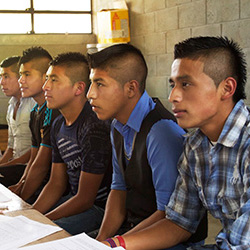
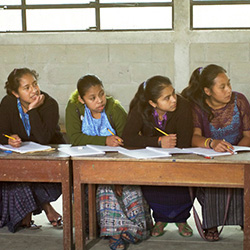
(11–22 years)
Seeks to help young people develop life plans to reduce teenage pregnancies and maternal and infant deaths.
We have developed and integrated seven programs that are chronologically connected to accompany people throughout their growth and development.
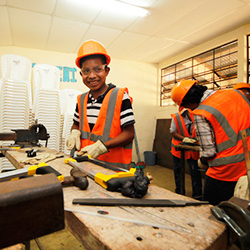
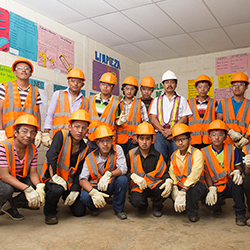
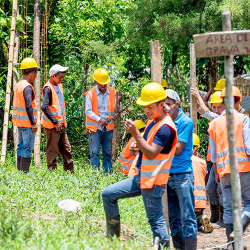
(Adolescents and adults)
We aim to improve and diversify technical skills to increase the chances of obtaining employment and developing financial competencies.
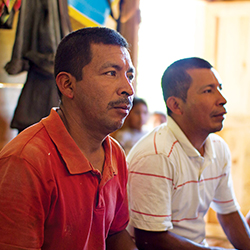
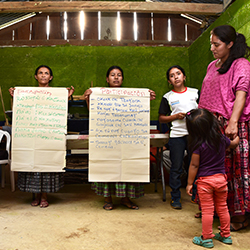
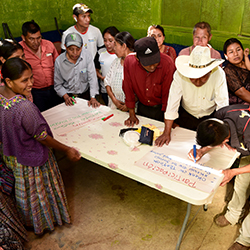
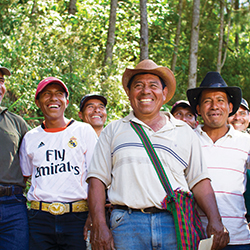
(Adolescents and adults)
We promote local leadership through the comprehensive training of leaders while respecting the Q’eqchi’ worldview.
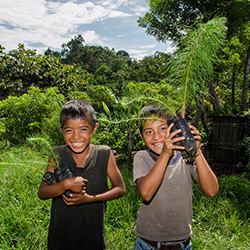
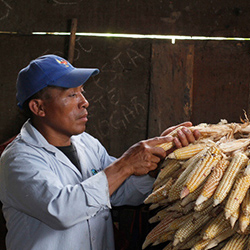
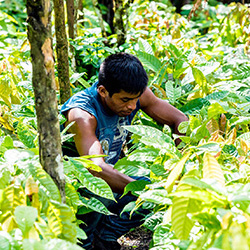
(Adolescents and adults)
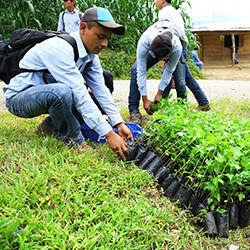
Enables the transfer of soil, planting, and irrigation techniques to improve agriculture in the communities of the area.
We have developed and integrated seven programs that connect chronologically to support the growth and development of individuals.
(5 to 15 years)
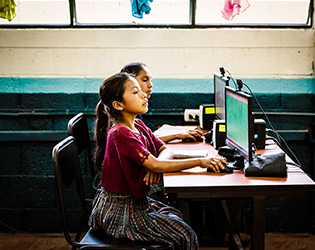
Seeks to improve school access and retention. We support with infrastructure, materials, and training for teachers and students.
(5–15 years)
Promotes the right of boys and girls to recreation, using sports to develop values.
(11–22 years)
Seeks to help young people create life plans to reduce teenage pregnancies and maternal and infant mortality.
(0 to 5 years)
Trains women on health and nutrition to ensure children's food security.
(Teenagers and adults)
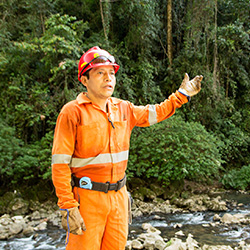
We aim to improve and diversify technical skills to increase employment opportunities and develop financial competencies.
(Teenagers and adults)
We promote local leadership through comprehensive leader training while respecting
the Q’eqchi’ worldview.
(Teenagers and adults)
Enables the transfer of soil, planting, and irrigation techniques to improve agriculture in the local communities.

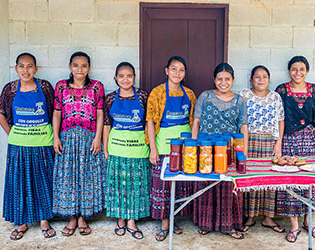
We aim to create economic development opportunities that allow families to remain in the area and improve their quality of life.
Below are some of the projects currently being promoted to foster development in the municipality:
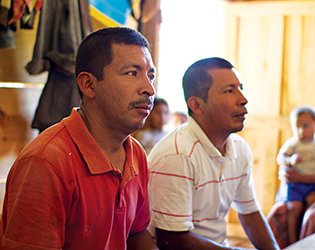
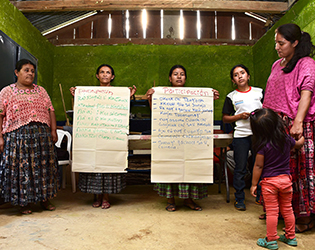
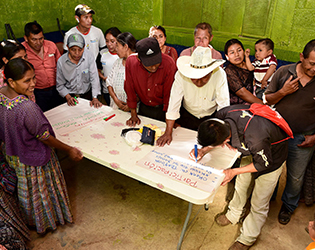
Our Community Engagement Strategy seeks to approach authorities and the population to reach fair agreements, respect local leadership, and ensure active family participation. All in a transparent environment to provide clear, complete, and timely information, while dialogue and planning allow commitments to be fulfilled.
All community engagement processes promote community representation:

A. Identification and prioritization of needs
B. Seeking consensus for community agreements
C. Social diagnosis

D. Land purchase and payment of easement rights
E. Management of road opening and maintenance
F. Distribution of temporary and rotating job positions
G. Management of electrical coverage

H. Interculturality
I. Handling requests and complaints
J. Negotiation and conflict resolution
K. Socialization